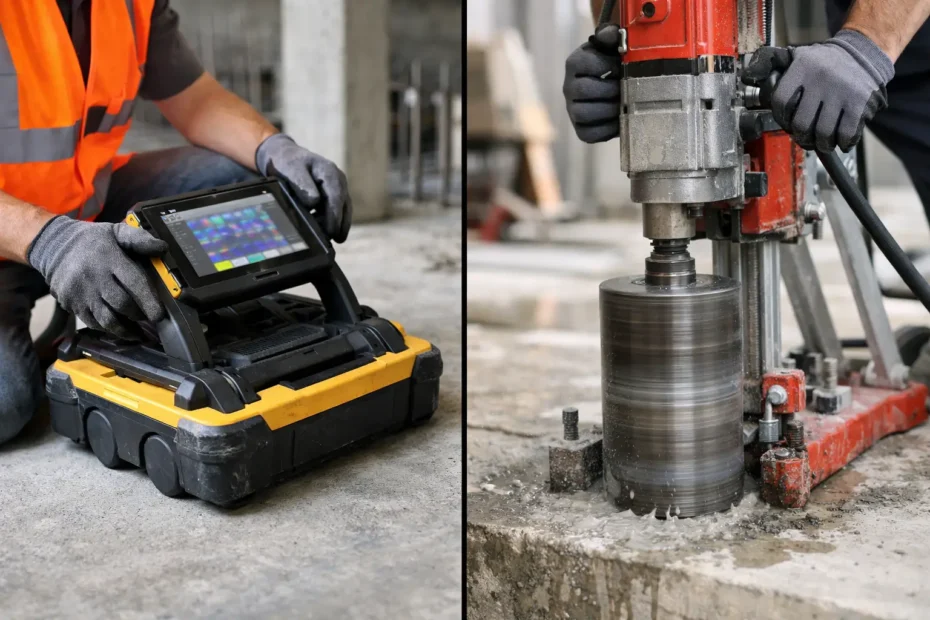
Concrete Scanning Versus Core Drilling Risks
Concrete scanning versus core drilling risks can mean injury, utility damage, and delays. Learn when scanning prevents costly mistakes.
Concrete scanning versus core drilling risks can mean injury, utility damage, and delays. Learn when scanning prevents costly mistakes.
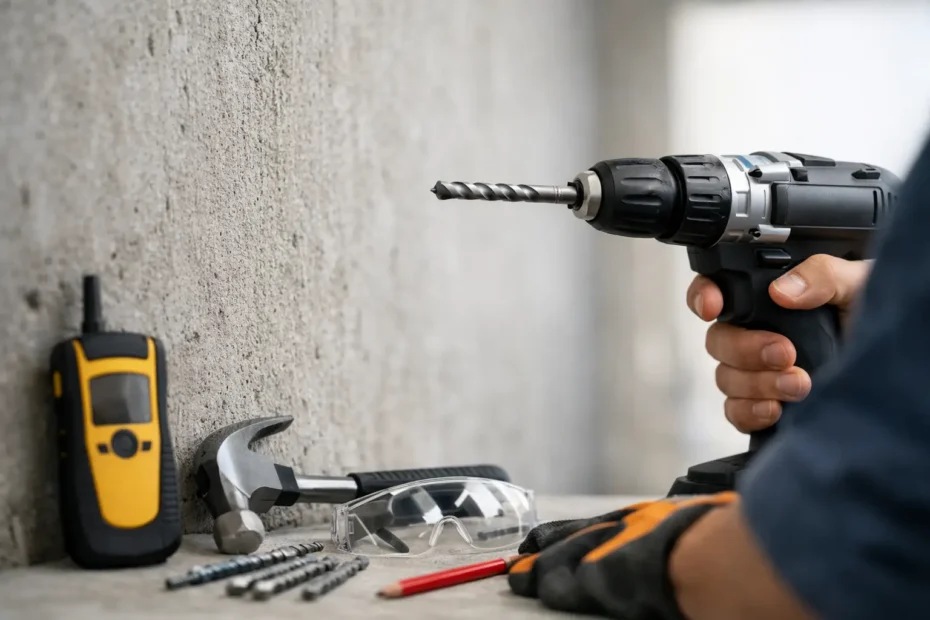
Before drilling into concrete, know what could be hidden inside the slab. Learn the risks, warning signs, and why scanning helps prevent damage.
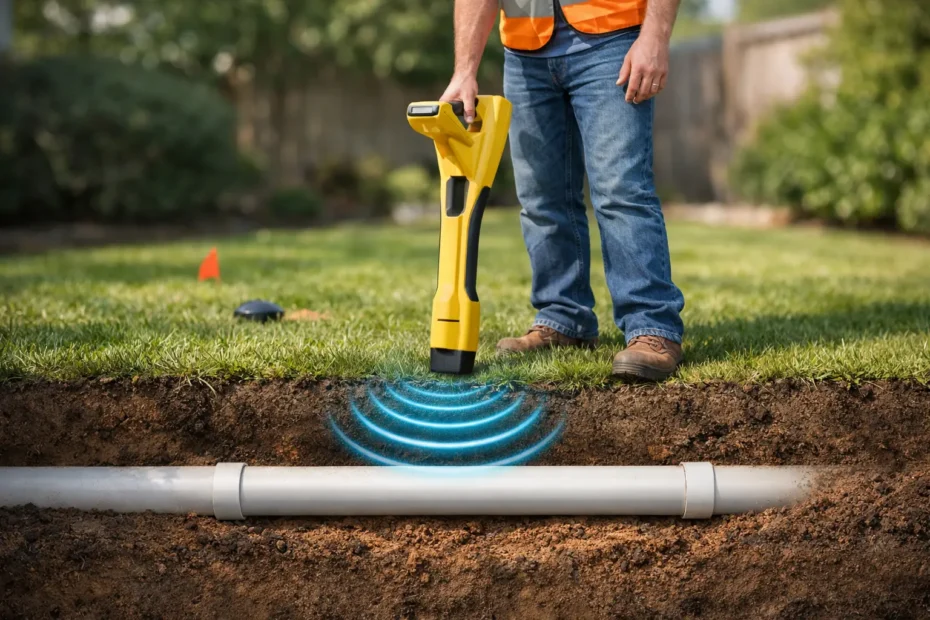
Learn how to locate buried PVC pipe safely using maps, tracer wire, sondes, GPR, and practical field methods before digging or drilling begins.
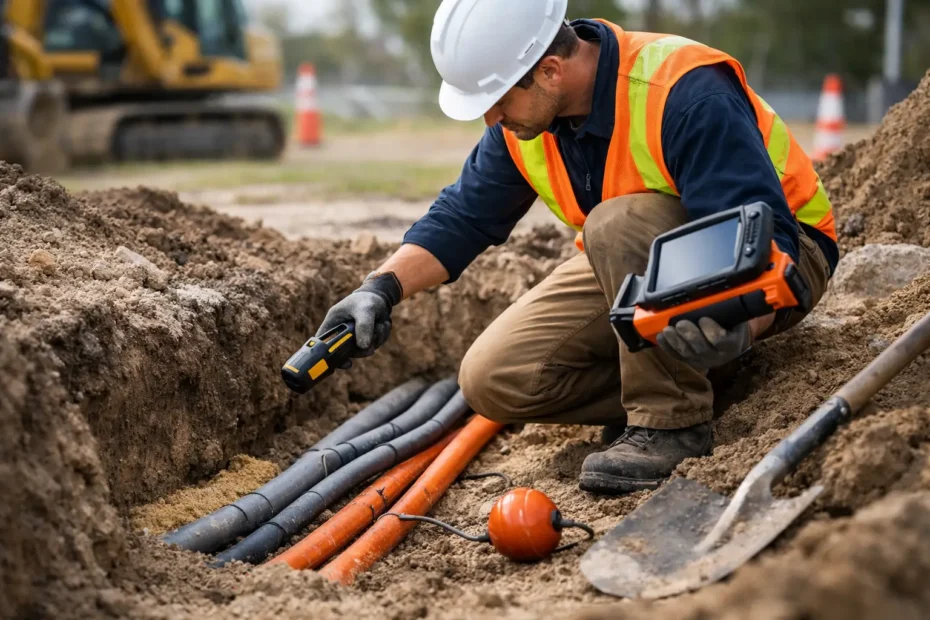
Learn how to verify buried conduits before digging, coring, or drilling to prevent utility strikes, delays, damaged infrastructure, and injury.
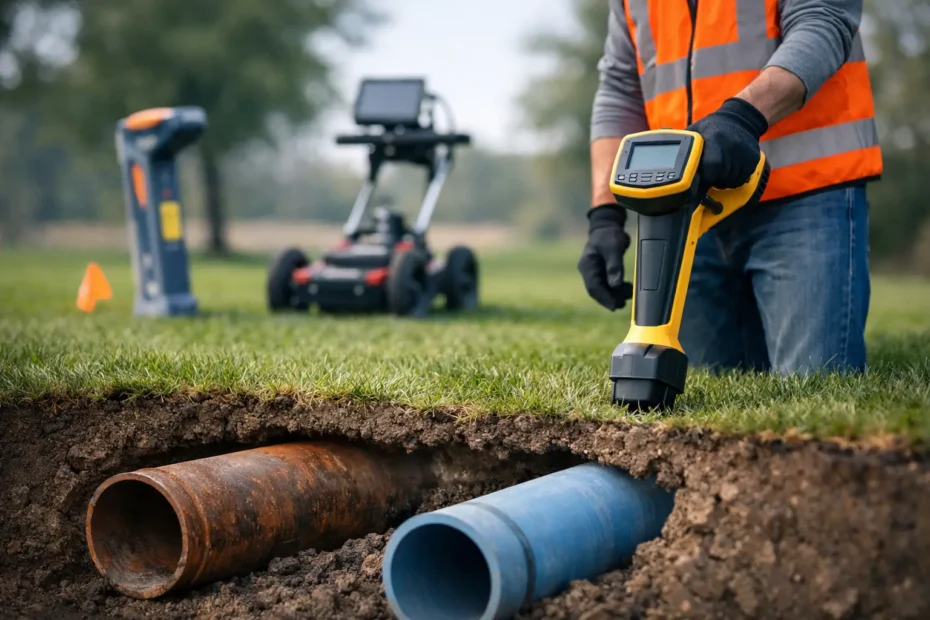
Learn the best methods for locating buried pipes before digging, drilling, or trenching to prevent strikes, delays, damage, and safety risks.
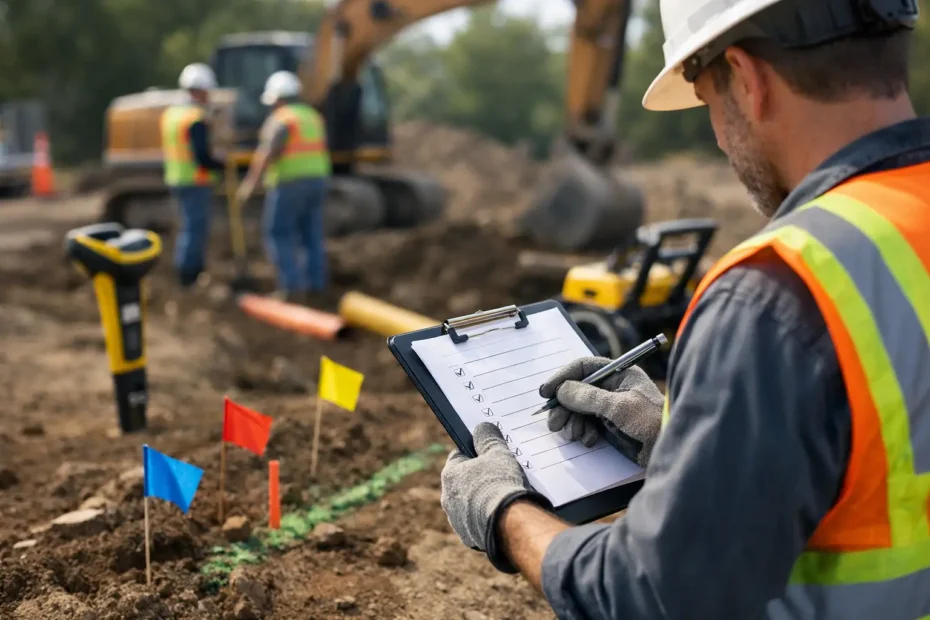
Use this utility strike prevention checklist to reduce injuries, delays, and damage before excavation, drilling, cutting, or coring begins.
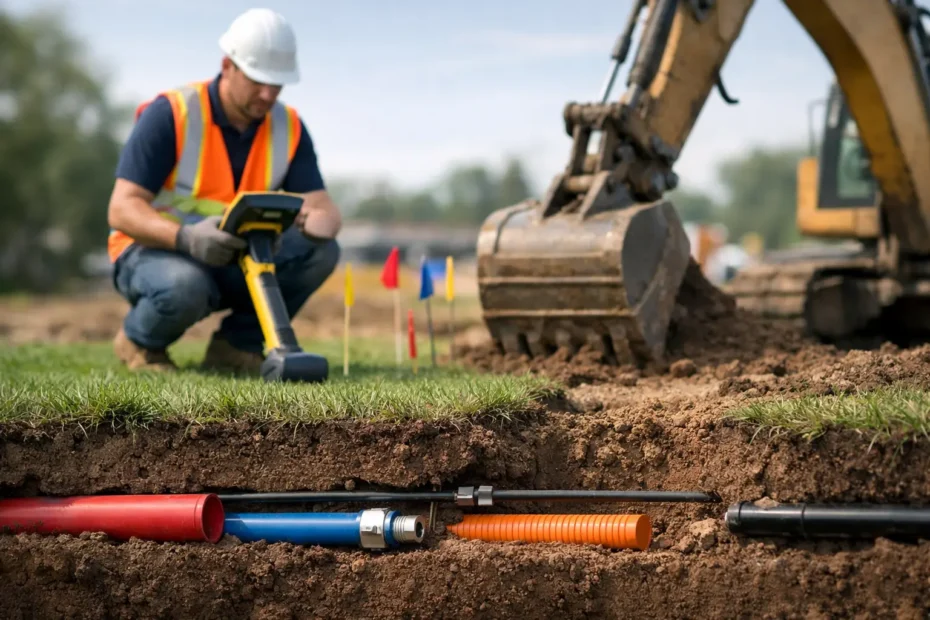
Buried utility mapping helps prevent strikes, delays, and injuries by showing what is below grade before drilling, trenching, cutting, or digging.
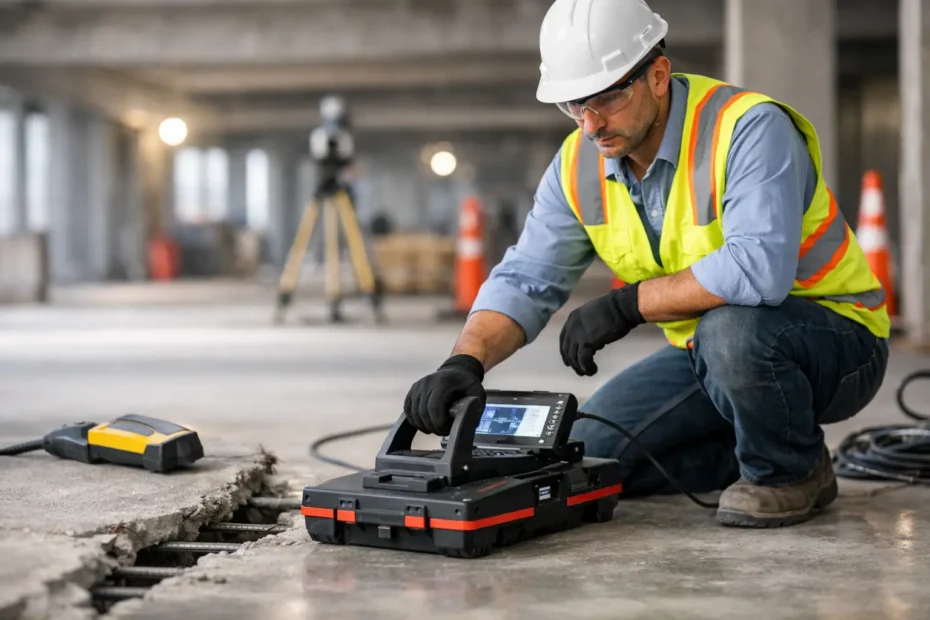
This guide to post tension scanning explains how cables are found, why it matters before cutting or drilling, and what crews should expect onsite.
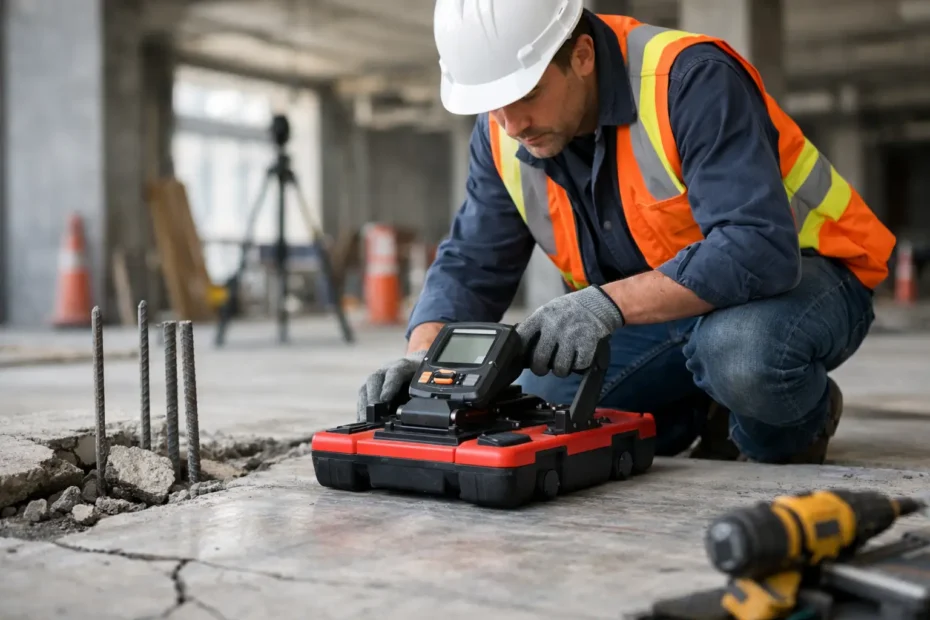
Learn when do you need concrete scanning before drilling, cutting, coring, or demolition to avoid strikes, delays, damage, and injury.
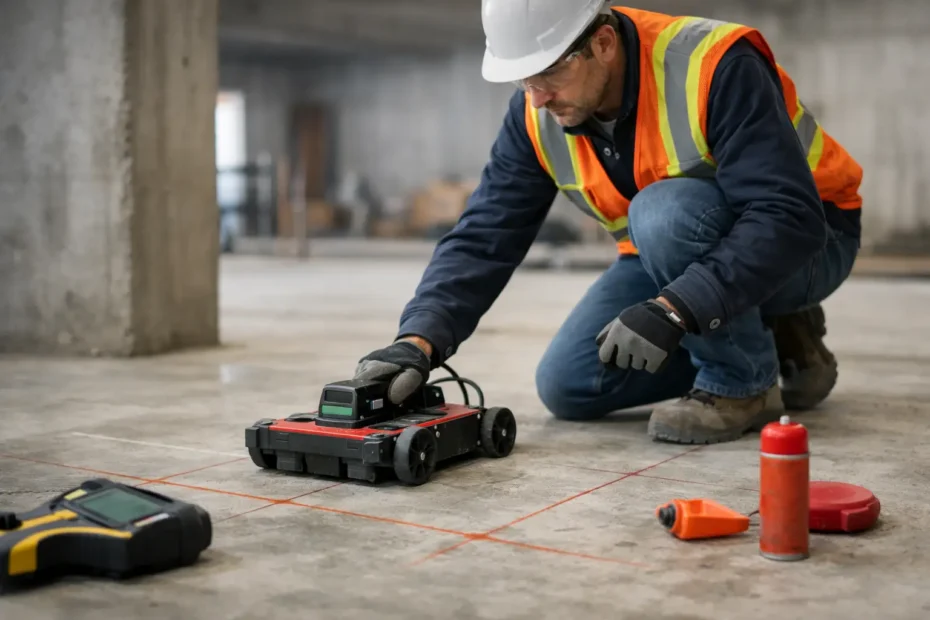
Concrete slab scanning helps locate rebar, conduits, post-tension cables, and voids before cutting or drilling to prevent damage, injury, and delays.